 by Propcart

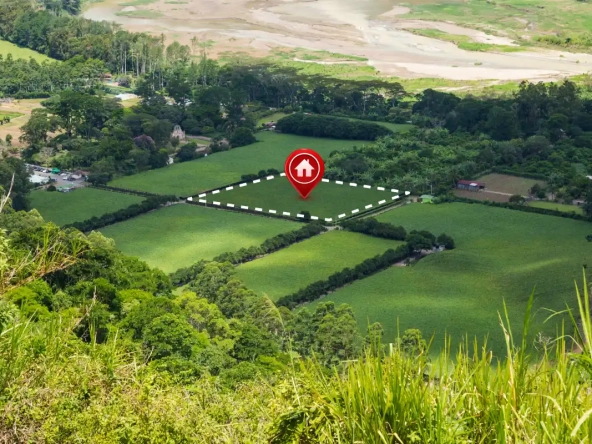
Buying land in Kenya is one of the biggest investments you can make, and unfortunately, one of the riskiest too. With increasing cases of land fraud, double allocations, and fake title deeds, knowing how to verify the authenticity of a plot before purchasing it isn’t just smart—it’s absolutely essential. So, how do you separate a real deal from a raw deal?
Key Takeaways
- Request documents upfront: Get the title deed copy, seller’s ID, and plot number before site visits.
- Conduct a land search: Verify ownership, size, and charges at the Ministry of Lands or eCitizen.
- Talk to neighbours: They can confirm ownership and flag disputes.
- Engage a licensed surveyor: To verify boundaries, measurements, and legal subdivisions.
- Check zoning and plans: Visit County offices to confirm land use and avoid future demolitions.
- Search with the NLC: Especially for land near public utilities or sensitive areas.
- Check for court cases: Ensure there are no pending disputes on the land.
- Involve a land lawyer: From the start, for proper due diligence and legal protection.
- Confirm spousal consent: Essential for matrimonial or jointly owned land.
- Watch for red flags: Unrealistically low price, rush to close, inconsistent documents, or discouragement of due diligence.
Let’s walk through the process with a clear head, some real talk, and the creative lens you’ve come to expect from Propcart.
Table of Contents
- 1. Start with the Basics: Get the Right Details from the Seller
- 2. Conduct a Land Search at the Ministry of Lands (or Ardhi House)
- 3. Ask the Neighbours (They Know More Than Google)
- 4. Engage a Reputable Land Surveyor
- 5. Visit the Local County Offices for Zoning and Planning Info
- 6. Conduct a Search with the National Land Commission (NLC)
- 7. Check for Any Court Cases or Pending Disputes
- 8. Involve a Lawyer From the Very Start
- 9. Crosscheck with the Seller’s Spouse or Next of Kin
- 10. Watch Out for These Red Flags
- Wrapping Up: Trust the Process, Not Just the Promise
1. Start with the Basics: Get the Right Details from the Seller
The process starts way before you set foot on the land. Whether you found the plot online or through a friend of a friend of a cousin, get concrete documentation. Ask for:
- A copy of the title deed
- The name of the registered owner
- The plot number and land reference number (LR No.)
If the seller hesitates, take that as a red flag. A genuine seller should provide these without delay.
📅 Pro tip: Don’t just accept a photocopy. If possible, ask to see the original title deed. Check if the name matches the one on their ID.
2. Conduct a Land Search at the Ministry of Lands (or Ardhi House)
Once you have the title deed number and a copy of the seller’s ID, visit the Ministry of Lands office or use the eCitizen portal to carry out a land search.
This search will show:
- Who the registered owner is
- The size of the plot
- Whether the land has charges or caveats (like loans, disputes, or restrictions)
If the information doesn’t match what the seller told you, walk away.
🎯 Common Scam Alert: Fraudsters sometimes show you genuine land, then give you forged documents for a different, nearby plot. Always match the title deed info with the land you visit.
3. Ask the Neighbours (They Know More Than Google)
Never underestimate the power of good old-fashioned community intel. When you visit the land:
- Talk to the neighbours. Ask them who owns the land.
- Inquire if there are any disputes involving the property.
- Ask if the seller has been around or is a known figure.
If the neighbours look confused or give conflicting stories, dig deeper. It could be a red flag.
4. Engage a Reputable Land Surveyor
A licensed land surveyor can:
- Confirm that the land measurements match those on the title deed
- Verify boundaries and ensure they are not encroached
- Use GPS or official maps to confirm the exact location
This is especially useful in areas where boundaries are not clearly demarcated or land disputes are common.
✅ Bonus Tip: If you’re buying land in a subdivision (like a gated estate), the surveyor can also confirm that the land was legally subdivided and not carved out of public or forest land.
5. Visit the Local County Offices for Zoning and Planning Info
Even if the title is clean, you want to be sure about what you can and cannot do with the land.
Check with the County Lands Department to find out:
- Zoning regulations (residential, commercial, agricultural, etc.)
- Pending developments in the area
- Whether the land is earmarked for public utilities or road expansion
You don’t want to buy what looks like a dream plot only to find a bypass being constructed across it two years later.
6. Conduct a Search with the National Land Commission (NLC)
This is crucial if the land is in a sensitive area like:
- Near government land
- Close to airports, forests, riparian land, or railway reserves
The NLC can tell you if the land is:
- Public or private
- Involved in any historical land injustices
- Reserved for government projects
This is a key step often skipped, but it could save you from a long legal battle.
Are you looking for affordable land and plots for sale in Kenya with ready title deeds and are value-added?Invest now and watch your investments grow!
7. Check for Any Court Cases or Pending Disputes
Use the Kenya Law database or check with your lawyer to see if the land is cited in any court case. You can also:
- Visit the local Lands Registry
- Ask the County Commissioner’s office
If there’s a pending dispute, wait it out or walk away.
🚡 Remember: Legal battles over land in Kenya can drag on for years.
8. Involve a Lawyer From the Very Start
Don’t just bring in a lawyer to witness the transaction—involve them from the verification stage. A land lawyer will:
- Help you conduct due diligence
- Draft or review the sale agreement
- Ensure the transaction is legally binding
Yes, it will cost you, but it could save you millions.
🏛️ In Kenya, always go for a lawyer who specializes in land transactions. It’s not the same as a criminal or corporate lawyer.
9. Crosscheck with the Seller’s Spouse or Next of Kin
It might sound unnecessary, but if the land is jointly owned or matrimonial property:
- The seller must have consent from their spouse
- A wife or husband can later claim that the sale was unauthorized
Ask for a signed spousal consent form to protect yourself.
10. Watch Out for These Red Flags
Here are classic signs you might be walking into a land scam:
- The price is too good to be true
- The seller is in a rush to close the deal
- Inconsistent documents
- You’re being discouraged from involving lawyers or surveyors
- Land has been sold multiple times before
If it smells off, it probably is.
Wrapping Up: Trust the Process, Not Just the Promise
Buying land in Kenya isn’t just about spotting a beautiful view or a bargain price. It’s about doing your homework. Every step you take to verify the land is a layer of protection for your money, your future, and your peace of mind.
At Propcart, we believe that informed buyers make better decisions. That’s why we encourage you to do your due diligence, ask the hard questions, and never rush. Whether you’re buying to build, invest, or flip, let your next land story be one that ends well.
List or find property safely and transparently at Propcart