

alyciajorgenso
About alyciajorgenso
The Rise of Private Plane Flights: A Case Research on Luxury And Convenience
In recent years, the private aviation industry has experienced a significant transformation, marked by an increase in demand for private plane flights. This case examine explores the factors contributing to this rise, the demographics of private flight users, the financial implications, and the longer term outlook of the trade.
The Evolution of Private Aviation
Traditionally, private aviation was often viewed as a luxury reserved for the elite, primarily business executives and excessive-net-value people. If you adored this short article and you would certainly such as to obtain even more info concerning privatejetcardreview kindly browse through our own web site. However, the panorama has modified dramatically with the advent of latest technologies, elevated accessibility, and a rising emphasis on comfort. The emergence of fractional possession packages, jet card memberships, and on-demand charter services has democratized access to private flying, allowing more people to experience the benefits of private air travel.
Key Drivers of Demand
- Convenience and Time-Saving: One in every of the first drivers of the rise in private plane flights is the convenience they provide. Private flights allow travelers to bypass long safety strains, crowded terminals, and layovers. With the ability to fly directly to smaller airports nearer to their closing vacation spot, travelers can save valuable time. For business executives, time is commonly equated with cash, making private flights a beautiful option for maximizing productivity.
- Well being and Safety Concerns: The COVID-19 pandemic considerably impacted the aviation trade, resulting in heightened well being and safety considerations among travelers. Many people turned to private aviation as a safer alternative to commercial flights, the place social distancing is extra difficult. The ability to control the atmosphere on a private plane, from the number of passengers to the cleanliness of the cabin, has made it an interesting possibility throughout and after the pandemic.
- Increased Flexibility: Private aviation gives unparalleled flexibility in scheduling. Travelers can set their own departure occasions, change plans at a moment’s discover, and choose their preferred routes. This level of control is particularly advantageous for enterprise travelers who may have to adjust their itineraries incessantly.
- Technological Developments: The private aviation sector has benefited from advancements in technology, including improved booking platforms, enhanced in-flight providers, and extra efficient aircraft. Corporations like VistaJet and NetJets have invested in person-pleasant apps that streamline the booking process, making it easier for customers to arrange flights on quick discover.
Demographics of Private Flight Users
The demographics of private flight customers have evolved, reflecting broader societal adjustments. Whereas business executives and wealthy individuals remain a significant portion of the clientele, there’s a rising variety of leisure travelers choosing private flights. Families in search of a more comfortable journey expertise, celebrities looking to keep away from paparazzi, and even sports groups traveling for occasions have all contributed to the diversification of private aviation customers.
Moreover, younger generations, significantly millennials and Gen Z, are beginning to embrace private aviation. These demographics value experiences over possessions and are prepared to put money into unique travel experiences, which private flights can offer. In consequence, private aviation companies are adapting their marketing strategies to appeal to this youthful audience, emphasizing the life-style and experiential facets of flying privately.
Economic Implications
The rise of private plane flights has significant economic implications for the aviation business and related sectors. The private aviation market is projected to grow considerably in the approaching years, pushed by the elements outlined above. In accordance to varied business reports, the global private jet market is expected to achieve $40 billion by 2025.
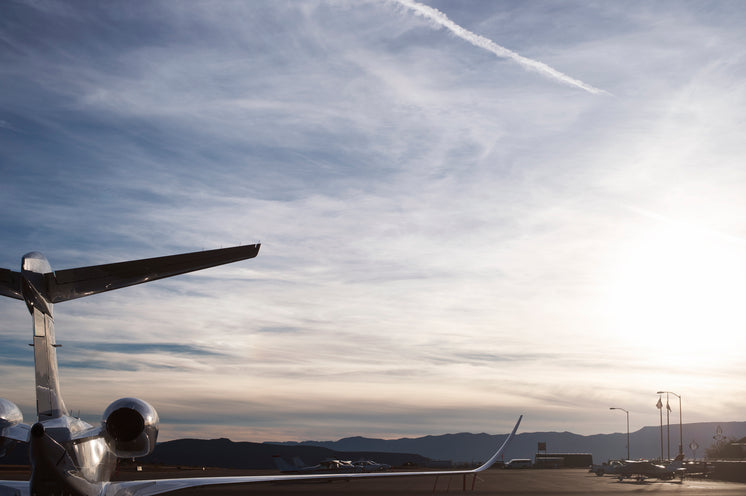
This growth has led to elevated job opportunities within the sector, from pilots and crew members to floor employees and maintenance technicians. Moreover, the rise in private flying has positively impacted airports, notably these serving smaller regional hubs that cater to private jets. These airports often see elevated revenue from touchdown fees, gas gross sales, and different providers associated with private aviation.
Moreover, the demand for private flights has stimulated the development of infrastructure, including fixed-base operators (FBOs) that provide companies to private aircraft. These services provide amenities such as lounges, catering, and floor transportation, additional enhancing the overall expertise for private flyers.

Environmental Issues
While the expansion of private aviation presents numerous advantages, it also raises environmental considerations. Private jets tend to have a better carbon footprint per passenger compared to industrial flights. As consciousness of local weather change and sustainability points grows, the private aviation industry is below increasing pressure to handle its environmental influence.
In response, some firms are investing in additional gasoline-environment friendly aircraft and exploring sustainable aviation fuels (SAFs) to scale back emissions. Additionally, there are initiatives geared toward offsetting carbon emissions through varied environmental initiatives. The industry can be promoting the concept of utilizing private aviation for ”inexperienced” travel, emphasizing the potential for private flights to help eco-pleasant tourism and sustainable practices.
The way forward for Private Aviation
Trying ahead, the way forward for private plane flights appears promising. The demand for private aviation is expected to continue its upward trajectory, driven by ongoing tendencies in convenience, safety, and suppleness. As technology additional evolves, the industry may see advancements in electric and hybrid aircraft, making private flying extra sustainable and accessible.
Furthermore, the rise of remote work and altering attitudes towards travel could result in a rise in the usage of private aviation for leisure slightly than solely for business. As more people prioritize unique journey experiences, private flights may change into a more frequent selection for vacations and family journeys.
Conclusion
The rise of private plane flights represents a big shift in the aviation panorama, pushed by a combination of convenience, security, and evolving consumer preferences. As the industry adapts to fulfill the needs of a diverse clientele, it will likely be essential to handle environmental considerations and promote sustainable practices. With continued progress on the horizon, private aviation is poised to redefine the way in which we think about air travel in the years to come back.
No listing found.