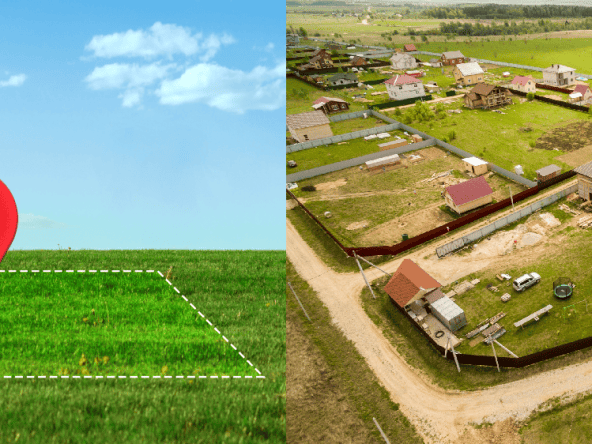
They had saved for seven years.
A young Nairobi couple, working two jobs between them, finally had enough for a plot in Kikuyu. The seller seemed genuine. The title deed looked real. The price was fair. They paid in full, Ksh 3.2 million and went home that night feeling like they had finally made it.
Three months later, they discovered the title deed was forged. The land belonged to someone else entirely. Their savings were gone. The seller had vanished.
This is not a rare story in Kenya. The Ministry of Lands and the Directorate of Criminal Investigation estimate that 1 in 10 title deeds in circulation may have irregularities. Land fraud is real, it is growing, and it targets ordinary Kenyans every single day.
But here is the truth, it is entirely preventable. A verified title deed is your single most powerful shield against losing everything. And in 2026, verifying one has never been easier or more affordable.
This is your complete guide.
What Is a Title Deed and Why Does It Matter?
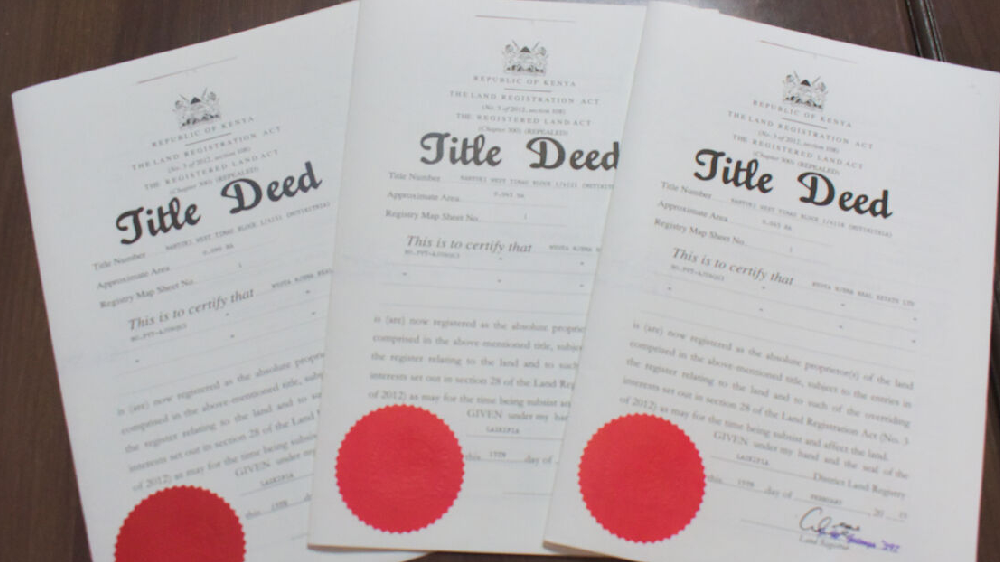
A title deed is the legal document that proves ownership of land or property in Kenya. It includes details like parcel number, size, location, and encumbrances. In 2026, all new titles are unified Certificates of Title with enhanced security to combat fraud.
Without a verified title deed, you cannot legally sell, lease, develop, or use the land as collateral for a loan. It is not just a document, it is the foundation of your entire investment.
Step 1: Physically Inspect the Title Deed
Before anything else, hold the document in your hands and examine it carefully. A standard Kenyan title deed is a compact booklet with essential details spread across pages. Page 1 covers the title number, land size, map sheet, owner’s name, ID, issue date, and official seal. Page 3 lists any charges, caveats, disputes, or mortgages.
New 2026 titles include advanced security features; watermarks, cadastral maps, and QR codes linking to Ardhisasa for instant checks. If pages are missing or details are mismatched, it could indicate forgery.
Look for spelling errors, inconsistent fonts, and mismatched parcel numbers. If anything feels off, trust that feeling.
Step 2: Verify Online Using Ardhisasa
The government introduced Ardhisasa as a digital solution for land services. It is available in major cities in Kenya and provides the fastest way to verify a title deed.
Here is how to use it:
Register using your original national ID and current mobile number, confirm through the SMS code sent to your phone, log in and select Land Search, enter the land number that appears on the title deed document, pay via M-Pesa, and download your verification report. The fee is Ksh 500 to 550 via M-Pesa or card.
The report will show you the registered owner, land size, tenure type, and critically any encumbrances like loans or disputes attached to the land.
Step 3: Conduct an Official Search via eCitizen
For properties in areas not yet fully covered by Ardhisasa, visit the eCitizen Portal at ecitizen.go.ke, navigate to the Lands services section, select Search/Verify Title Deed, enter your plot number, title deed number, or property details, submit your request and wait for the system to retrieve the information.
The search generates a Certificate of Official Search; the document your lawyer, bank, or SACCO needs for due diligence. This certificate confirms the true owner, reveals any caveats or loans, and verifies land size and location.
Step 4: Visit the Physical Land Registry
For complete peace of mind, especially for high-value purchases, visit the Land Registry in person. Complete Form RL 26, attach the title deed copy and your National ID, pay Ksh 500 and get a receipt, submit and wait 1 to 3 working days for processing, then collect your Land Search Certificate.
Note that for Ngong and Kikuyu properties specifically, you must visit the physical land registry as the online systems do not fully cover these areas yet.
Step 5: Hire a Licensed Surveyor
A surveyor confirms the land’s boundaries and matches them to the title deed. This step is critical because online searches confirm ownership on paper, but a surveyor confirms the physical reality on the ground. Boundary disputes and encroachments are among the most common and costly surprises Kenyan buyers face after purchase.
Step 6: Match the Seller’s ID to the Title Deed
This sounds simple but is overlooked more often than you would believe. Match the seller’s ID with the name on the title deed. If the names do not match exactly, stop the transaction immediately and seek legal advice before proceeding.
Step 7: Check for Land Control Board Consent
In Kenya, rural land sales require approval from the Land Control Board to verify that the transaction is legitimate and that all legal protocols have been observed. If you are buying agricultural or rural land, ensure this consent has been obtained. Without it, the transaction may be invalid.
The Red Flags You Must Never Ignore
If the seller refuses to allow verification, walk away. Refusal is a red flag for fraud. Always insist on Ardhisasa or registry confirmation.
Other red flags include: a seller demanding cash only with no paper trail, a price that seems suspiciously below market value, a title deed with missing pages or unclear stamps, and pressure to close the deal quickly without time for due diligence.
How Propcart Protects You
At Propcart, every listed property goes through a verification process before it reaches your screen. We connect you directly with genuine sellers, no middlemen, no fake listings, no pressure tactics.
But we also believe that every Kenyan buyer deserves to be informed. A verified title deed costs as little as Ksh 500 and can save you millions. Do not skip it. Not for anyone.
Browse verified property listings at propcart.co.ke or call/WhatsApp 0743 000 333. Because the home of your dreams should come with absolute peace of mind.